
A calm room has a plan
Learn the basics of zoning, lighting layers, and “one surface at a time” decluttering to keep spaces easy to maintain.
Texture notes
Use wood, linen, wool, and matte finishes to add depth without visual clutter.
Lighting layers
Combine overhead light with task lamps and soft ambient points for evenings.
A beginner-friendly styling method
Styling is easier when you treat it as a set of small decisions rather than a big “makeover.” Our approach begins with what you already have and builds a stable foundation: clear pathways, reliable storage, and a consistent palette that works in daylight and in evening light. From there, you can add comfort and personality through texture, artwork, and plants.
We focus on choices that support daily life: durable fabrics, wipe-clean surfaces where needed, and layouts that make cleaning and tidying straightforward. You will also find tips for renters and compact homes, including removable hooks, modular storage, and flexible lighting options. The goal is not perfection. It is a room that feels calm, welcoming, and easy to keep in order across the seasons.
Good to know
If you are unsure about paint, start with textiles and small accessories first. It is a low-risk way to test colour, warmth, and contrast before committing to larger changes.
Palette and contrast
Choose one base neutral, one warm accent, and one deeper anchor tone. This creates a consistent look even when items change.
We explain how to balance light walls, darker woods, and soft green accents for a natural European feel.
Layout and zoning
Divide rooms into functional zones: entry, seating, work, dining, storage. Even a small room can feel clear with defined purpose.
Learn simple spacing rules for walkways, rugs, and furniture groupings.
Storage that stays tidy
Build “homes” for daily items first: keys, bags, chargers, post, shoes. Then expand to seasonal and hobby storage.
We share routines for quick resets and how to avoid “flat surface piles.”
Plants and natural details
Use a few resilient plants for softness and airiness. We cover placement, light needs, and simple watering habits.
Natural details such as wood, stone, and woven textures can warm up white walls without feeling busy.
Pair styling with outdoor comfort
The same principles apply outside: zones, lighting layers, durable textures, and storage that protects essentials from weather.
Room-by-room learning paths
Start with a room that affects your daily routine most. Each path follows a practical order: flow first, storage second, comfort third, then finishing details that make the room feel complete.

Entry and hallway
Reduce clutter at the door with a clear landing zone for keys, bags, shoes, and post. Learn simple storage and lighting choices that keep the space bright.
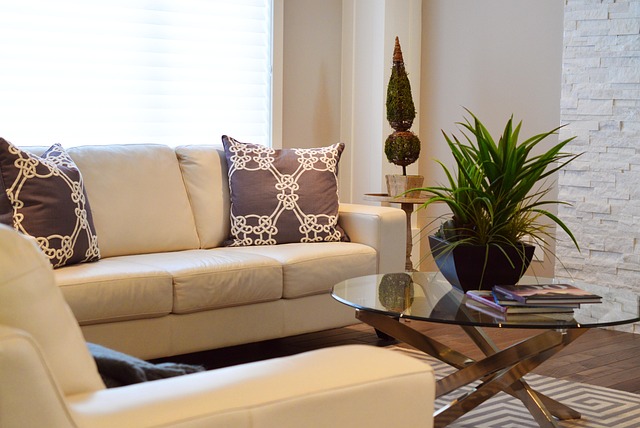
Living room
Learn how to set up seating for conversation and comfort, select a rug size that anchors the space, and add storage that hides everyday items without feeling heavy.
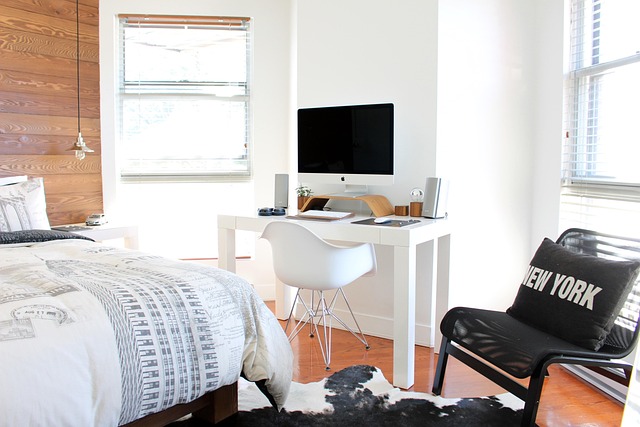
Bedroom
Focus on rest: reduce visual noise, improve bedside lighting, and organise wardrobes by season. Learn how to create softness with textiles and simple colour choices.
Want structured projects?
Our main Guides hub brings together step-by-step lessons across the home, including DIY basics and seasonal routines.
Practical styling checklist
Use this checklist as a quick way to keep a room looking intentional. It is designed to support daily living: you can reset the space in small steps, without needing to buy new items or change everything at once.
-
Clear the pathways
Aim for comfortable movement through doors and around seating. If you bump into it daily, simplify the layout.
-
Limit surface clutter
Choose one tray or basket per key surface for daily items. Everything else returns to its storage home.
-
Create light in layers
Combine overhead light with a task lamp and at least one softer ambient light for evenings and darker months.
-
Repeat a few materials
Repetition looks cohesive. Pick two to three textures such as wood, linen, and ceramic, then repeat them subtly across the room.
-
Finish with one personal note
A framed print, a family photo, or a handmade object adds warmth. Keep it simple so it reads clearly.
Workshops and learning support
Workshops cover foundations such as colour planning, room zoning, and practical organisation systems. If you want to register interest, send a message through our contact page and we will reply with the most relevant session formats and preparation notes.

A gentle way to refresh a room
If you are overwhelmed, start with one corner. Clear and clean the area, then add only what supports the zone: a lamp for reading, a basket for chargers, a small plant for softness. This reduces the urge to do everything at once and helps you see progress quickly.
When you are ready, expand to the next surface and repeat. Consistency creates a calm visual rhythm, which is often more effective than adding more decor.
Time
Start with 20 to 40 minutes so the project feels manageable.
Safety
Use suitable fixings for walls and seek professional help for electrical work.
Want broader inspiration beyond interiors? Explore our outdoor comfort ideas to build relaxed, weather-aware spaces outside.
Common beginner questions
How do I make a small room feel less busy?
Reduce the number of visible categories. Group items by function, use closed storage where possible, and repeat a small colour palette across key pieces.
Do I need to repaint to update a room?
Not always. Start with lighting, textiles, and a clearer layout. Paint can come later when you have tested the mood you want.
What is a simple way to add warmth to white walls?
Add texture before colour. Think linen curtains, a wool throw, a timber side table, and warmer bulb temperatures in lamps.